Medicine, guardians and garden neighbours
Skinks have been sold by apothecaries, feared as omens, and welcomed as snail-eaters. Here is a little of their human history, followed by some myths that refuse to die.
The apothecary’s lizard
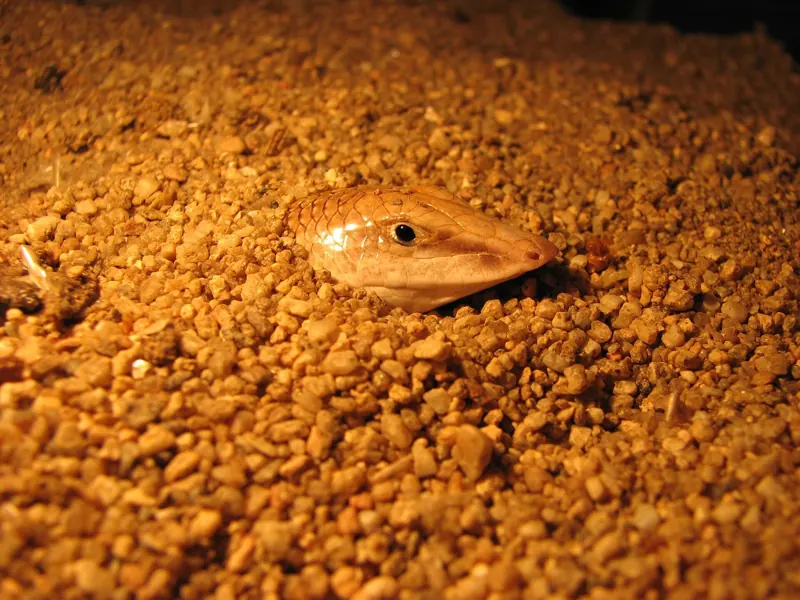

The first animal to be called a skink was the sandfish of the Sahara. Classical Greek and Roman writers, including Dioscorides and Pliny the Elder, wrote about the skinkos or scincus and its supposed medicinal powers. Dioscorides listed it among his medicines, and Pliny called its flesh an antidote to poisons and a powerful aphrodisiac. Dried sandfish were still being sold in German pharmacies in the 19th century. That is why the German name, Apothekerskink, means “pharmacist’s skink”. It does not work. Please leave the sandfish in the sand.
When early naturalists began classifying lizards, the sandfish lent its name first to the genus Scincus and then to the whole family, Scincidae. Every skink on Earth is, in a sense, named after this one.
Aotearoa New Zealand
In te ao Māori, reptiles are ngārara. Tradition gives them as descendants of Punga, and they were often feared and associated with Whiro, with some of their sounds taken as omens. Lizards were also kaitiaki, guardians, placed near burial caves and mauri stones to protect them. Te Ara, the Encyclopedia of New Zealand, has a thoughtful account. We point you there rather than retell stories that are not ours to tell.
Australia
Blue-tongues and shinglebacks are part of everyday life across much of Australia, and many Aboriginal peoples have their own names, knowledge and stories for them. Those belong to particular Countries and communities, so look for them from Aboriginal-led sources. In suburban Australia, wildlife agencies encourage gardeners to welcome blue-tongues as snail-eaters and to protect them.
Science and technology
Skinks have quietly shaped science. The sandfish inspired studies of how animals move through granular material, and sand-swimming robots followed. Skinks are a key group for understanding the evolution of live birth and placentas, limb loss, and social behaviour in reptiles. The shingleback is one of the best-studied examples of long-term monogamy in any reptile.