Short legs, polished scales and more than 1,700 ways to be a lizard.
Skinks are the biggest lizard family most people have never thought much about. They live in deserts, rainforests, suburban gardens and the tops of trees. Some have lost their legs, some have green blood, and one Australian species stays with the same partner for years.
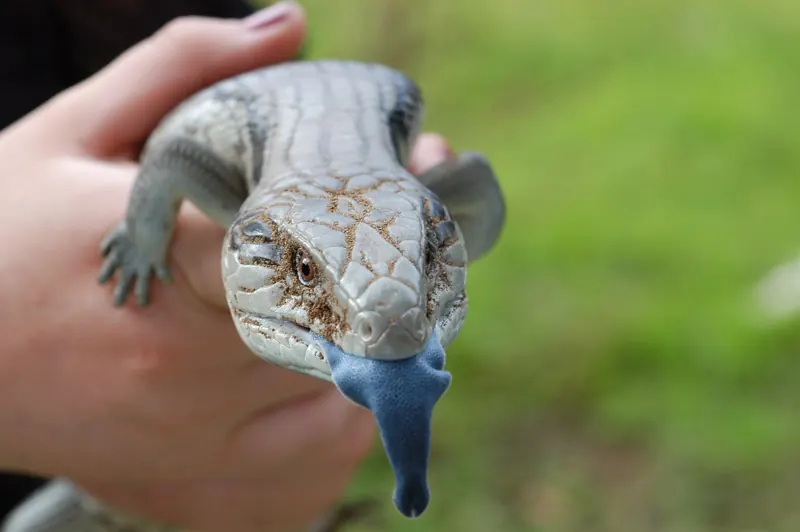
Why skinks?
Ask someone to draw a lizard and you will probably get something leggy and alert, a gecko or an iguana. Skinks rarely make the sketch. They are smoother, lower and more modest, the lizards that slide under a stone before you have quite registered them. Yet with more than 1,700 described species, skinks make up about a quarter of all the world’s lizards.
They are also some of the most surprising animals in biology. Skinks have evolved live birth from egg-laying at least 31 separate times. They have shed their limbs again and again, sometimes within a single genus. There are skinks that “swim” through desert sand, skinks that live in family groups for years, and a tree-dwelling giant from the Solomon Islands that eats only leaves and holds on with its tail.
This site is a gentle, properly sourced guide to all of that. It covers how skinks are built, where they live, how they raise their young and why so many island species are in trouble. If you keep one, or are thinking about it, there is a detailed care guide for the blue-tongued skinks that make up most of the pet world.
From desert swimmers to tree-top giants
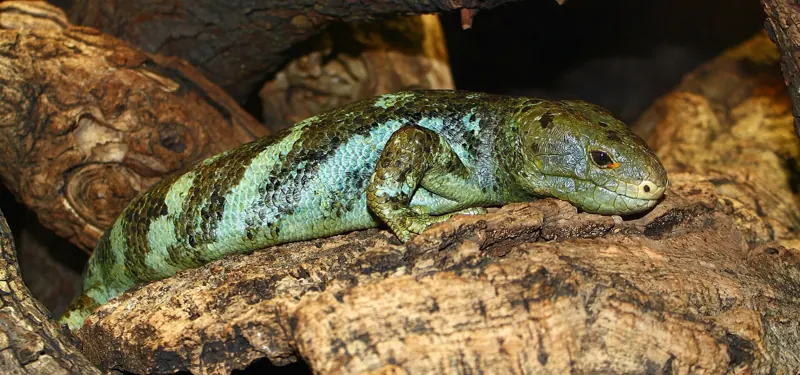
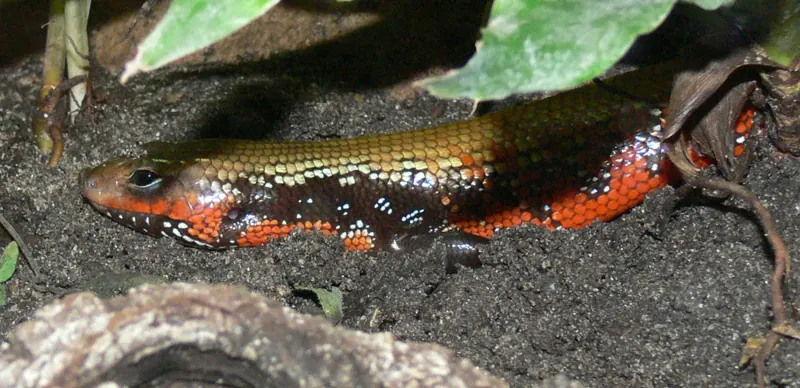
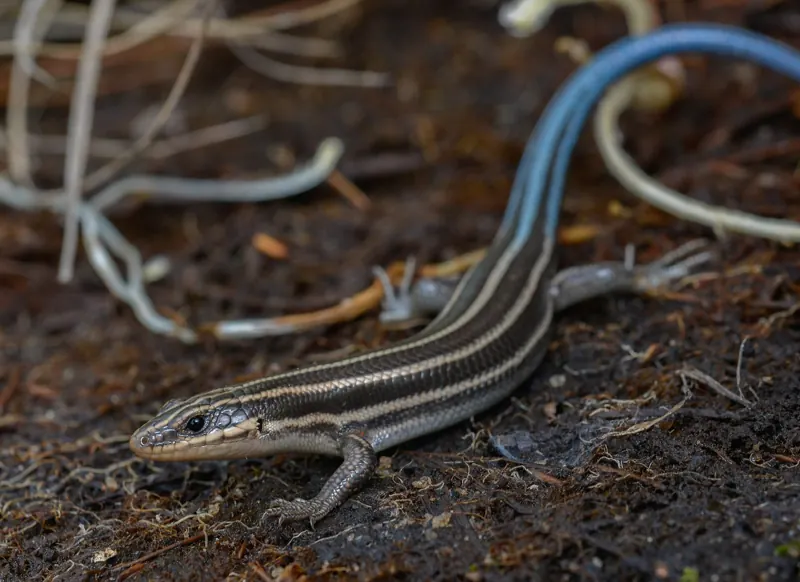
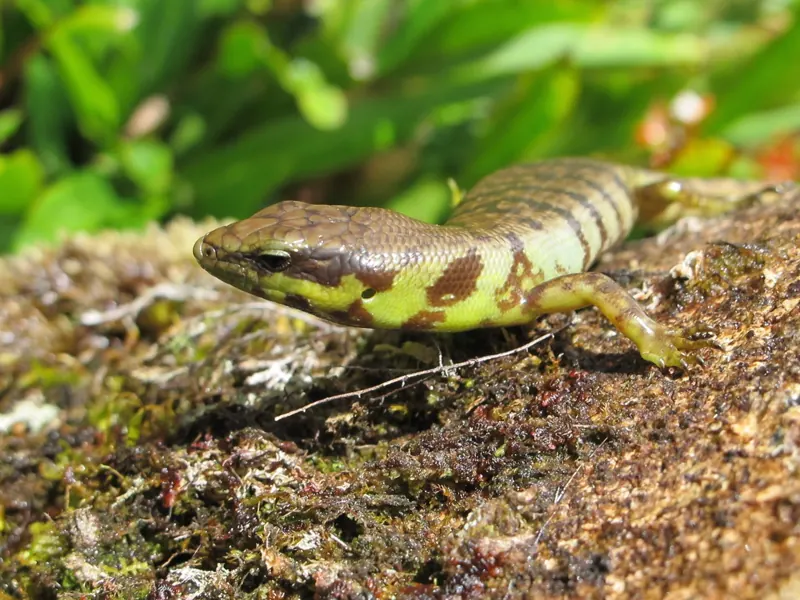
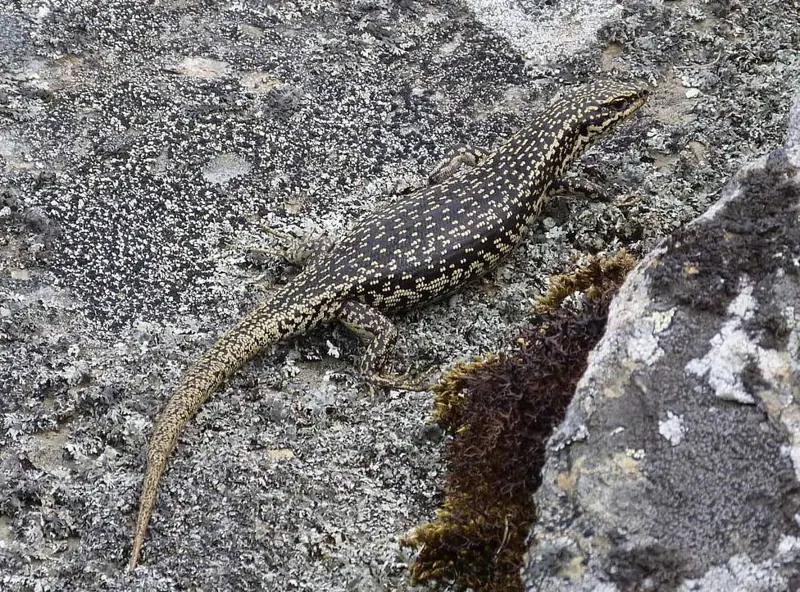
A handful of the 23 species in our field guide. Scroll sideways, or see them all.
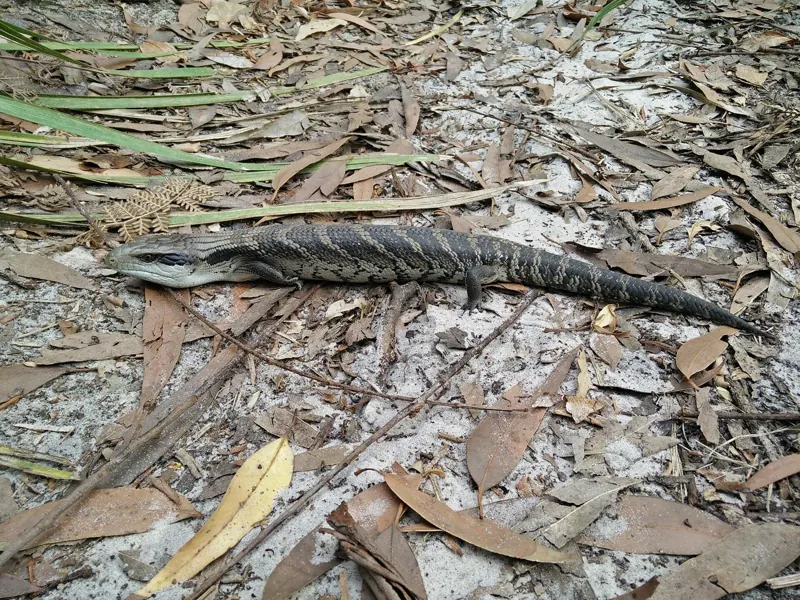
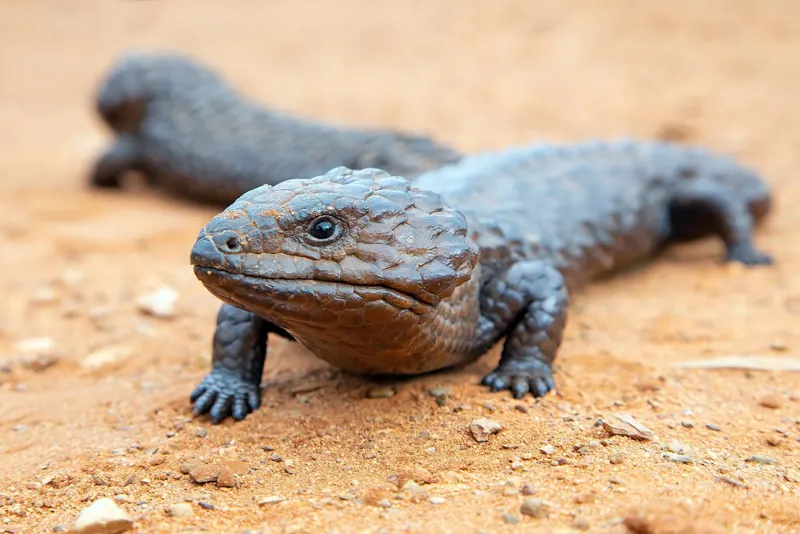
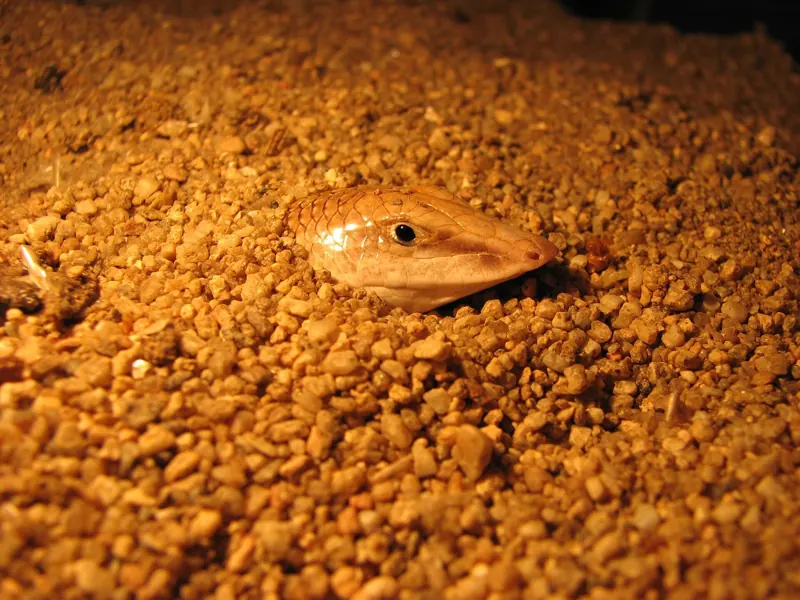


Is a slow-worm a skink?
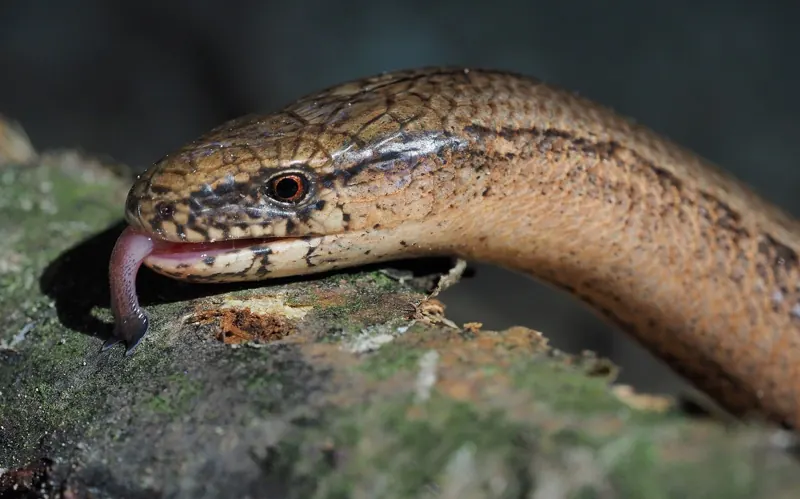
No, though it is a fair guess. Britain’s slow-worm looks a lot like a legless skink: smooth, shiny and secretive. It belongs to a different lizard family, the Anguidae, along with the glass lizards and alligator lizards. Like skinks, it can blink, drop its tail and give birth to live young, which is exactly why people mix them up.
Think you can tell them apart? Try the “Skink or not?” game.
Thinking of keeping a skink?
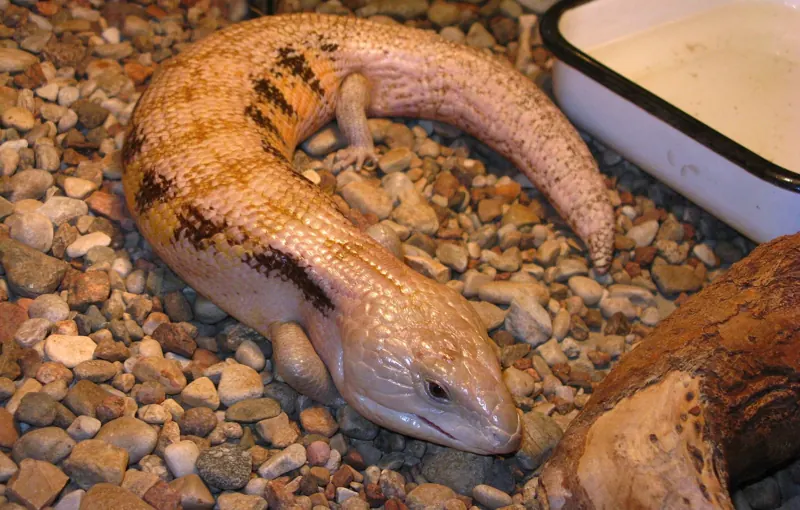
Blue-tongued skinks can make calm, characterful companions for people who are prepared to do it properly. That means an enclosure much bigger than most pet-shop starter kits, a strong basking spot, UVB lighting, a varied omnivore diet, and a commitment that can last fifteen to twenty years.
Our care guide covers set-up, temperatures, humidity, feeding, handling, health warning signs and finding a reptile vet. It is written as general guidance, not veterinary advice.

Prints, downloads and a small shop
Skinks.animals.im is part of the animals.im network, a growing set of independent nature sites made on the Isle of Man by REALLYBYTE. We’re putting together skink printables and gifts for the Animals section of our Etsy shop. They aren’t there yet, but the rest of the shop is.
Spotted a mistake?
We have tried hard to get every fact right and to credit every photograph properly. If something is wrong, out of date or missing a credit, please email info@reallybyte.com or send a WhatsApp message. We fix things quickly.
Love skinks? Help our little site grow
Skinks.animals.im is free to read, with no sign-ups and no paywall. If you’ve enjoyed it and would like to chip in, you can leave a small voluntary contribution through our REALLYBYTE store. It helps pay for new species pages, games and fact-checking.
Entirely optional. Everything on the site stays free either way.