Twenty-three skinks worth knowing
A small sample of a very big family, chosen to show off its range: garden lizards, desert sand-swimmers, tree-dwellers, limb-losers and conservation stories. Every photograph is credited to its photographer, with the identification given on its Wikimedia Commons source page.
Kept as pets (captive-bred)
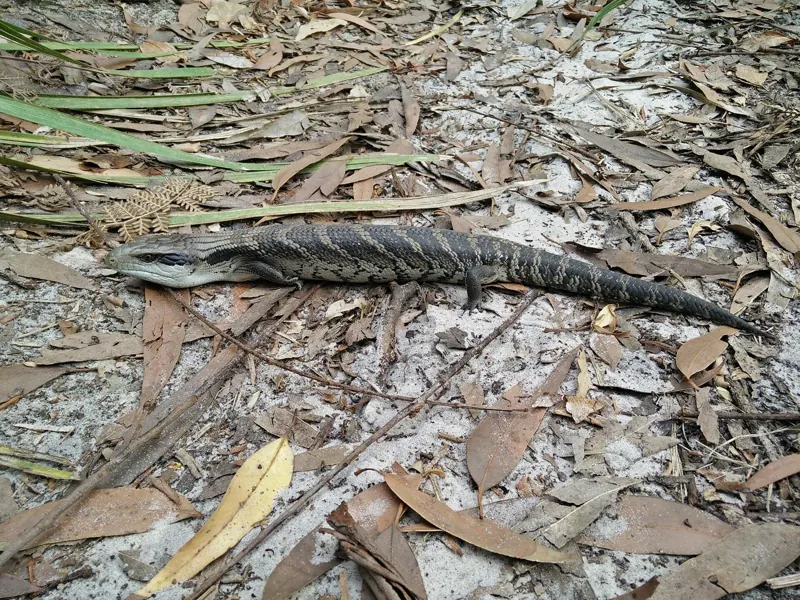
Eastern blue-tongued skink
Tiliqua scincoidesThe big, slow, cheerful garden lizard of eastern Australia, and the skink most people picture first.
Kept as pets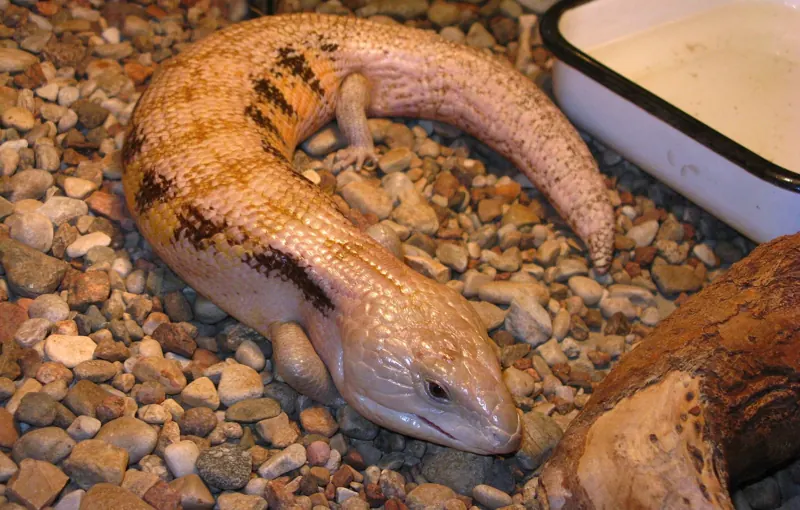
Indonesian blue-tongued skink
Tiliqua gigasThe tropical blue-tongue: warmer, more humid habits and some regional forms with wonderfully varied colours.
Kept as pets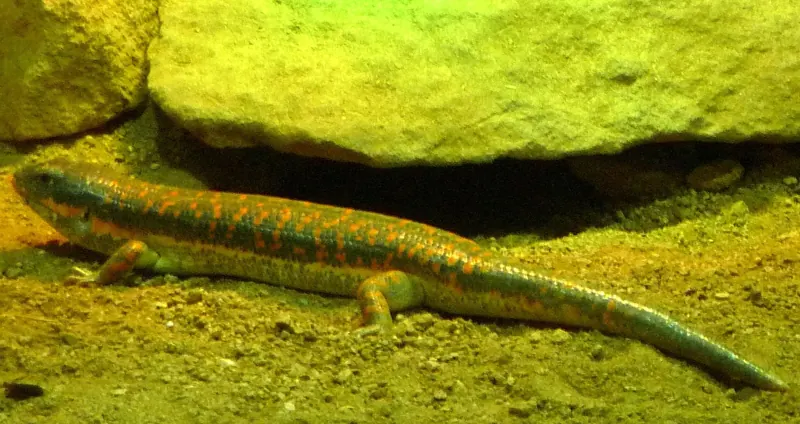
Schneider’s skink
Eumeces schneideriA sturdy dry-country skink often peppered with golden spots, sometimes sold as the Berber skink.
Kept as pets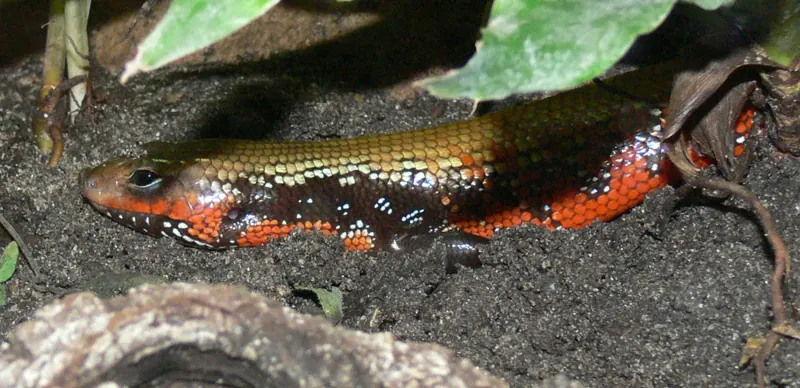
Fire skink
Lepidothyris fernandiPerhaps the most beautiful skink in the world, though it spends most of its time underground.
Kept as petsThreatened or protected
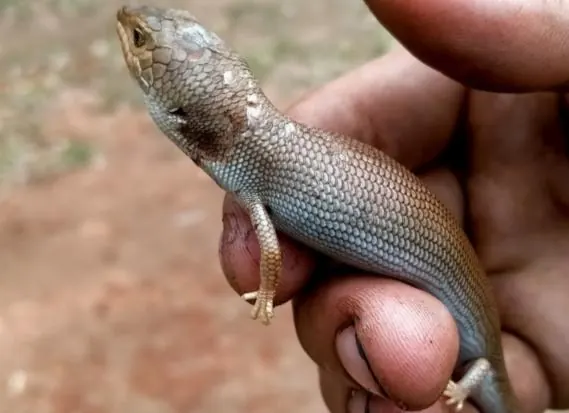
Pygmy blue-tongue
Tiliqua adelaidensisLost for 33 years, then found inside a snake. It doesn’t even have a blue tongue.
Threatened or protected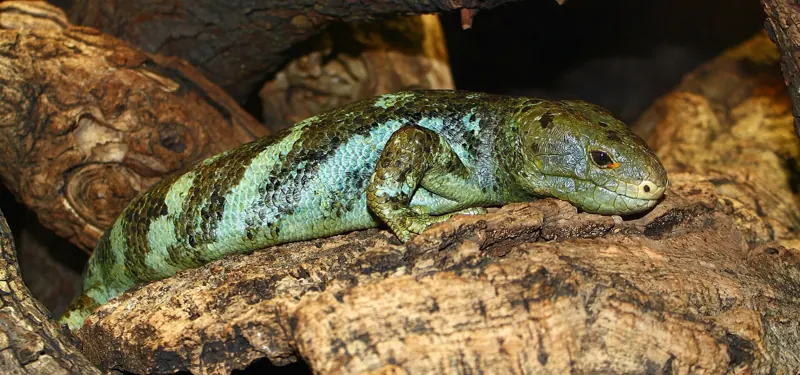
Solomon Islands skink
Corucia zebrataA tree-dwelling, leaf-eating giant with a monkey-like gripping tail.
Threatened or protected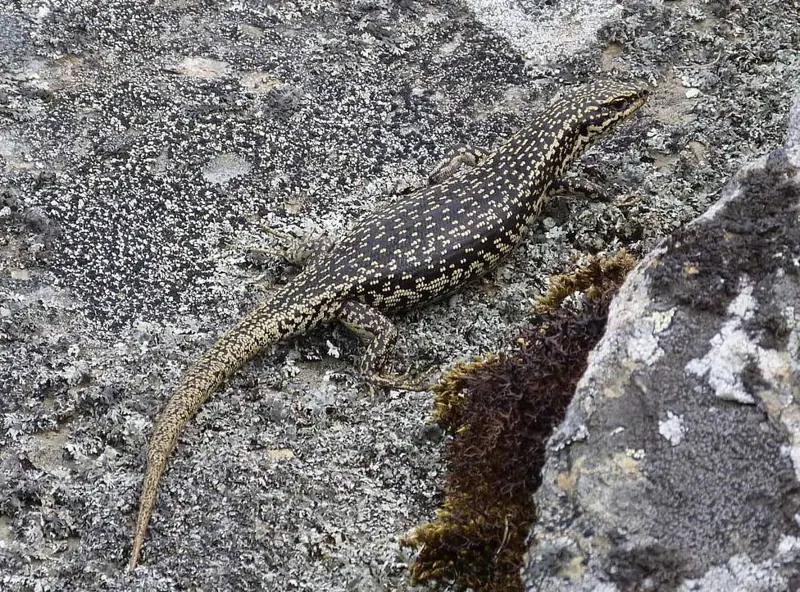
Grand skink
Oligosoma grandeA rock-hopping New Zealand skink pulled back from the brink by predator control.
Threatened or protectedWild only
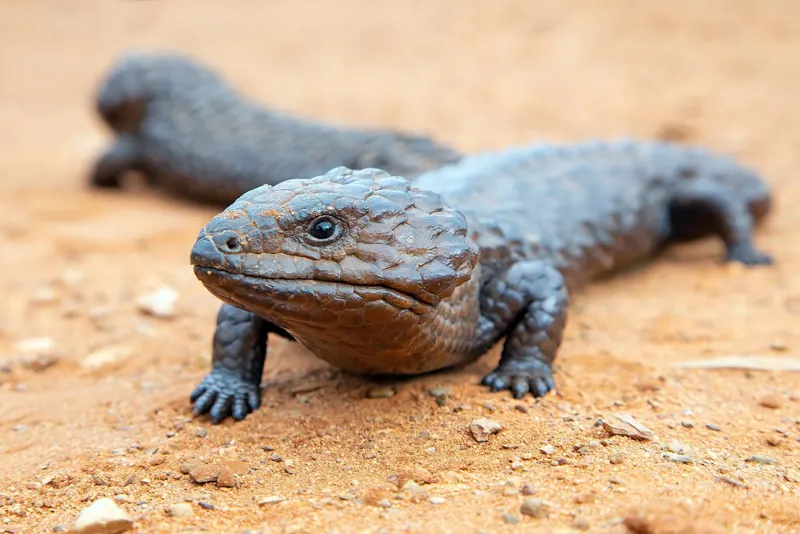
Shingleback
Tiliqua rugosaA walking pine cone with a fake head on its tail and a famously faithful love life.
Wild only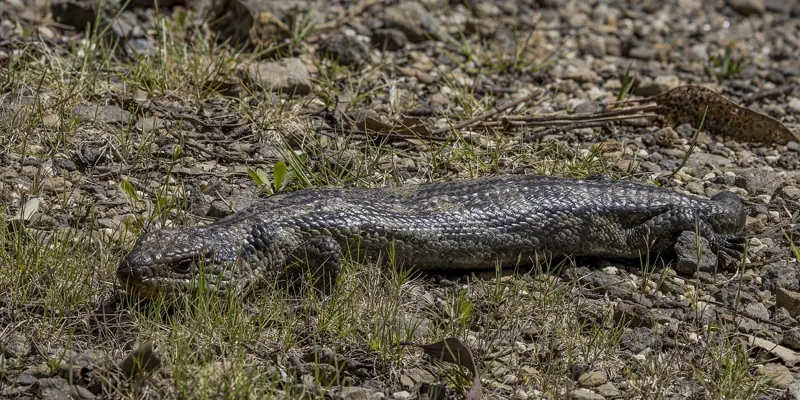
Blotched blue-tongued skink
Tiliqua nigroluteaThe cool-climate blue-tongue: darker, blotchier and comfortable further south than its relatives.
Wild only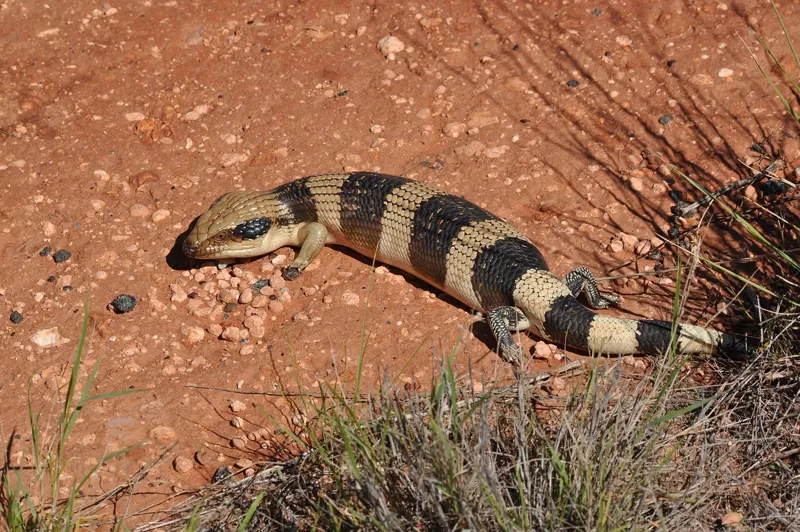
Western blue-tongued skink
Tiliqua occipitalisBold chocolate bands on a sandy body, with a dark streak behind each eye.
Wild only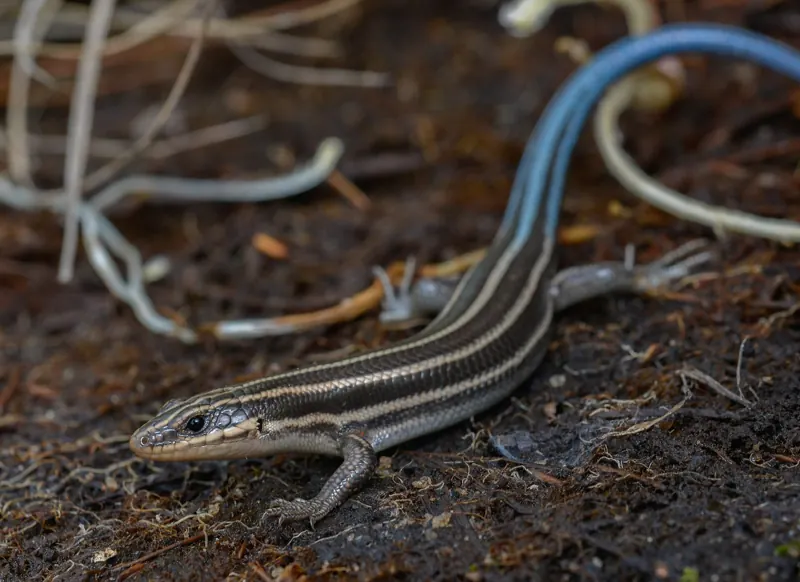
Common five-lined skink
Plestiodon fasciatusStripes, a famous electric-blue tail, and a mother who stays with her eggs.
Wild only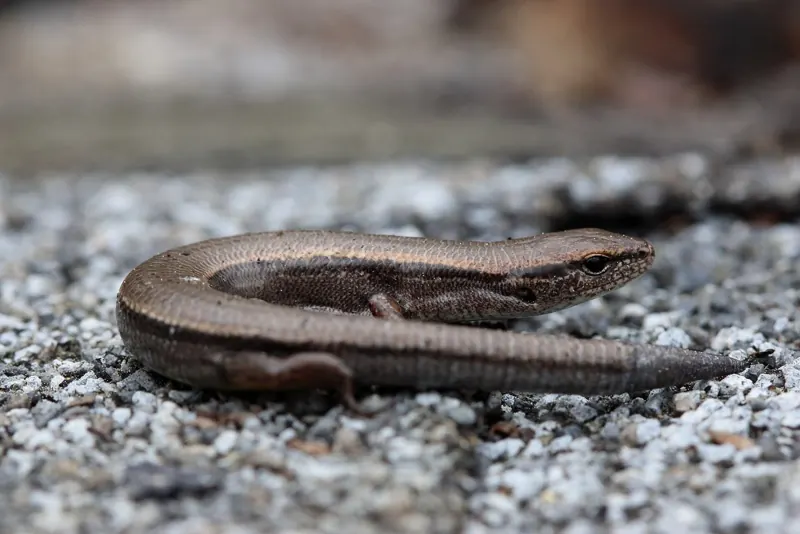
Little brown skink
Scincella lateralisThe quiet leaf-litter skink most Americans have overlooked a hundred times.
Wild only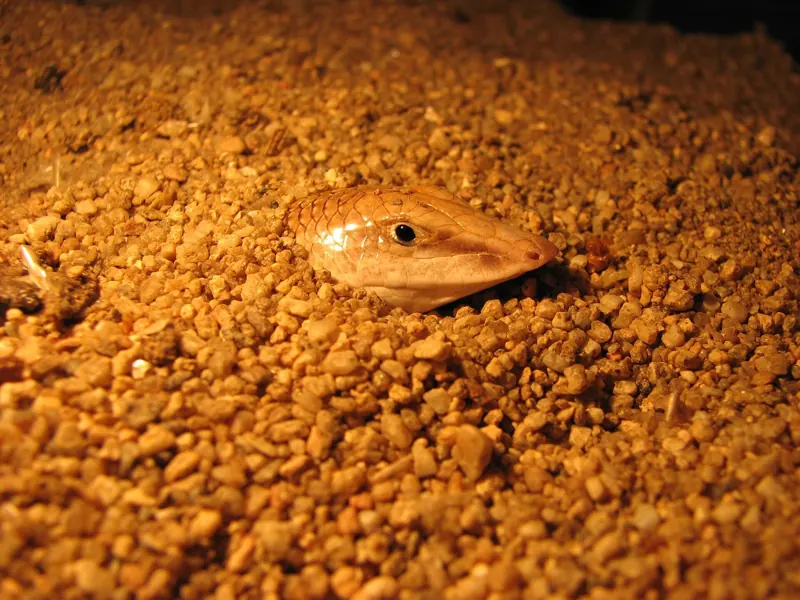
Sandfish
Scincus scincusThe skink that swims through sand, and the one that gave every skink its name.
Wild only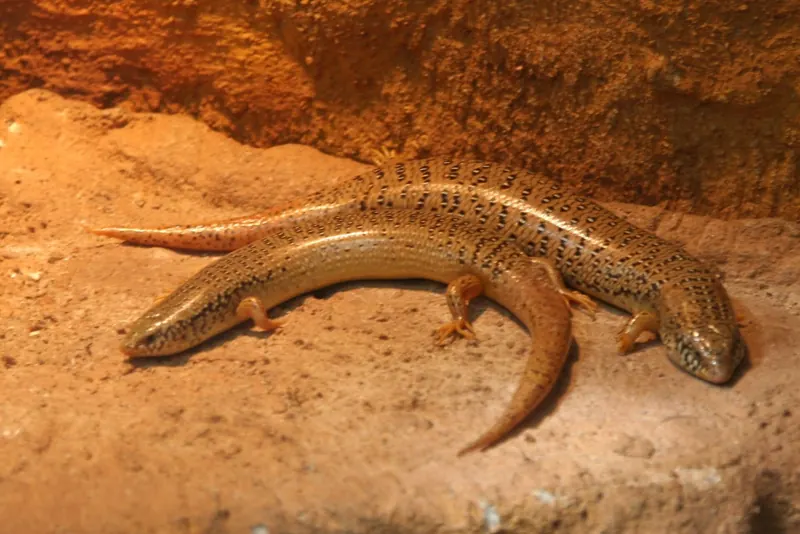
Ocellated skink
Chalcides ocellatusFreckled with tiny eye-spots and found from the Mediterranean to Sri Lanka.
Wild only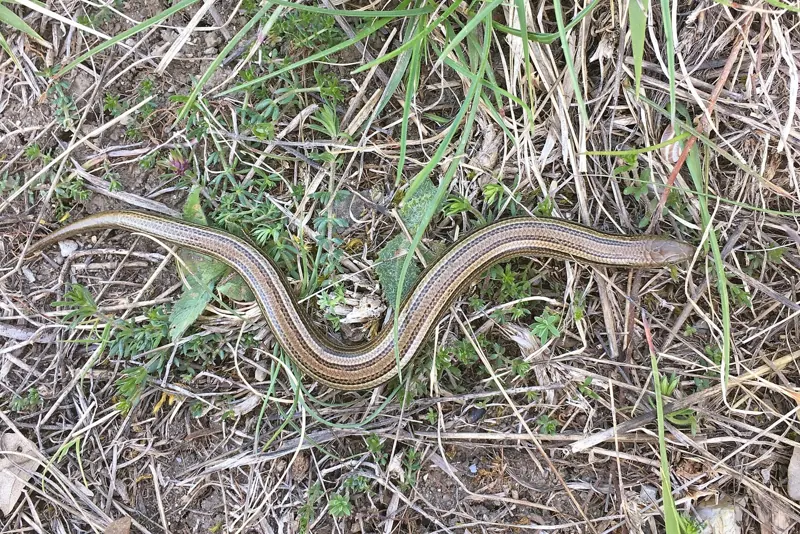
Italian three-toed skink
Chalcides chalcidesA lizard halfway to being a snake, with four tiny three-toed legs it barely uses.
Wild only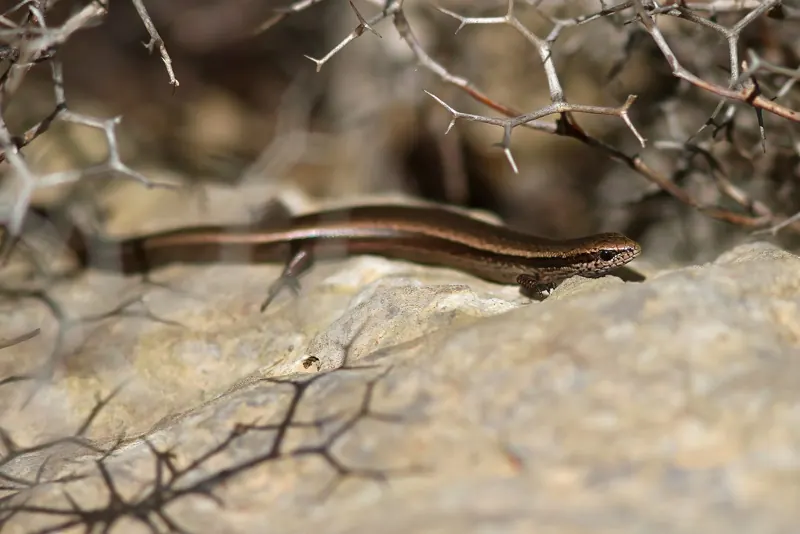
Snake-eyed skink
Ablepharus kitaibeliiEurope’s tiny skink that never blinks, because its eyelids are a permanent window.
Wild only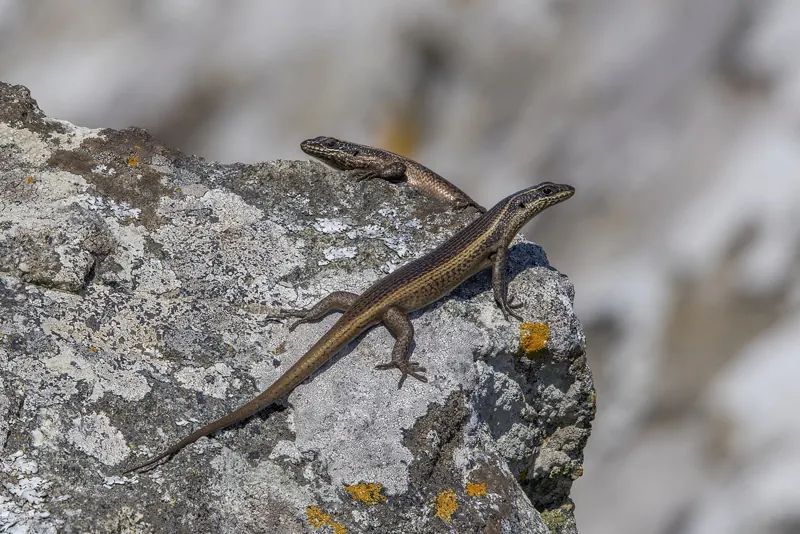
African striped skink
Trachylepis striataThe cheerful house skink of eastern and southern Africa, often seen basking on walls.
Wild only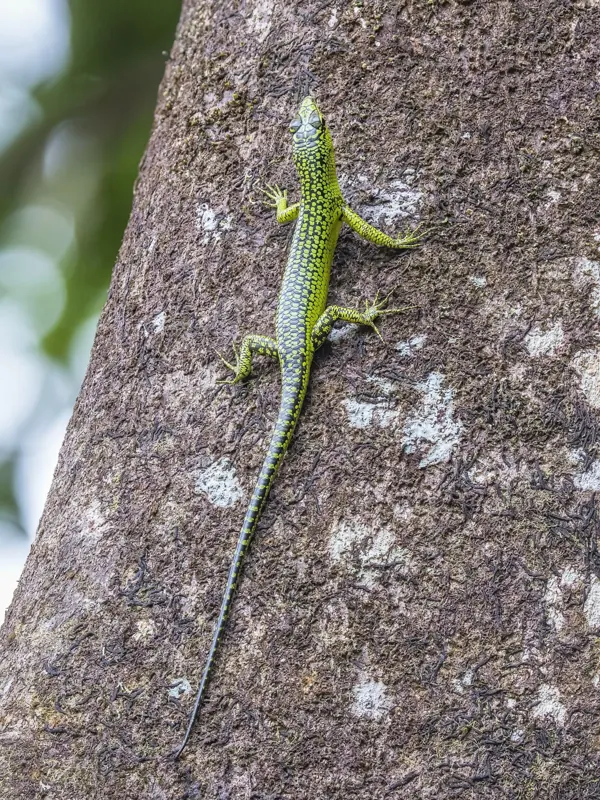
Emerald tree skink
Lamprolepis smaragdinaA leaf-green skink that lives on tree trunks across the western Pacific.
Wild only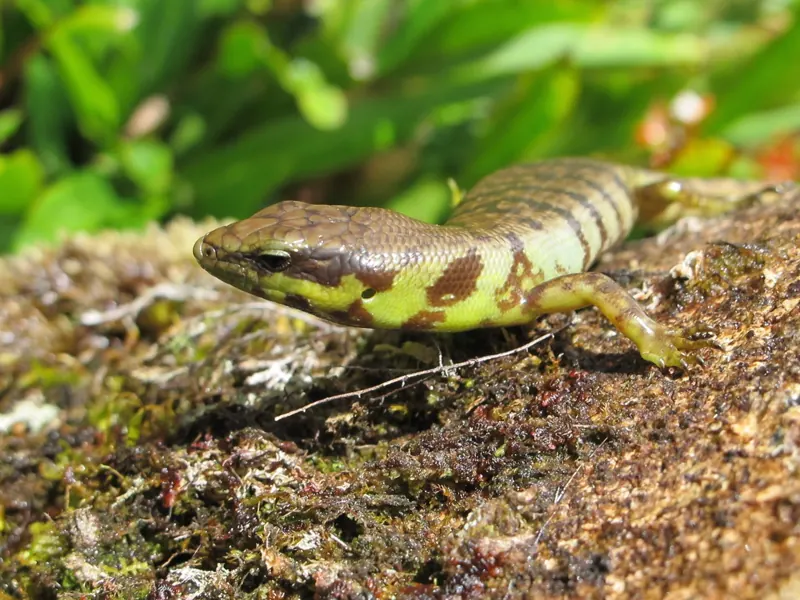
Common green tree skink
Prasinohaema flavipesA skink with lime-green blood, bones and muscles.
Wild only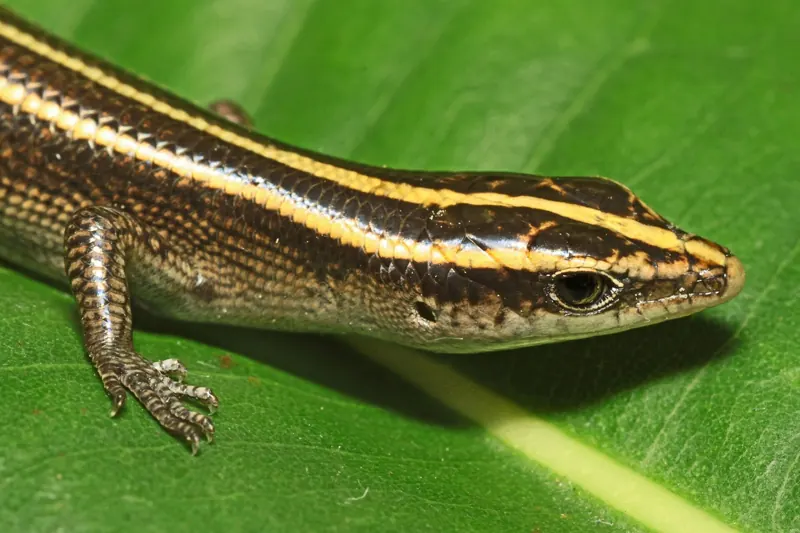
Copper-striped blue-tailed skink
Emoia imparA glossy island skink with gold stripes and a jewel-blue tail.
Wild only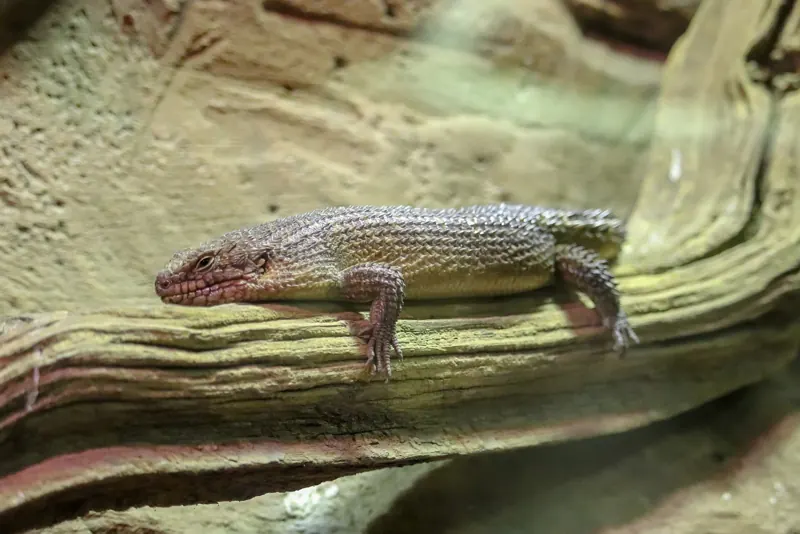
Gidgee skink
Egernia stokesiiA spiny-tailed skink that lives in long-term family groups.
Wild only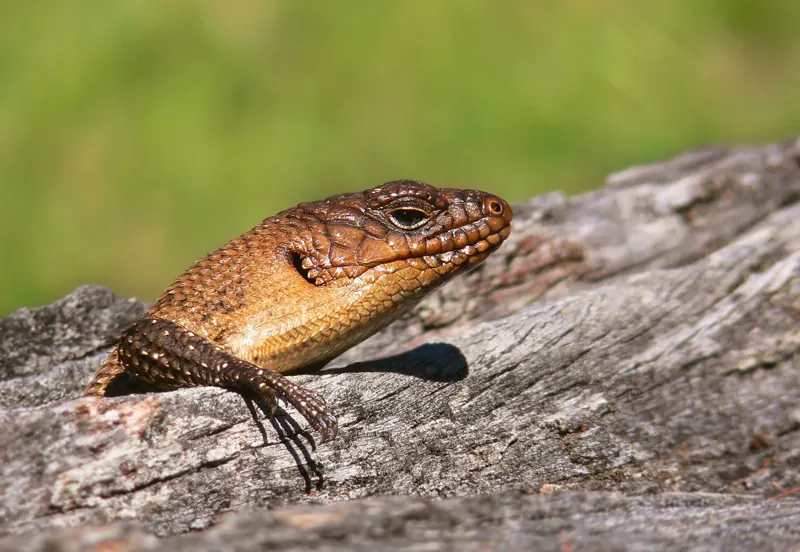
Cunningham’s skink
Egernia cunninghamiA big, spiny rock-dweller that lives in family groups.
Wild only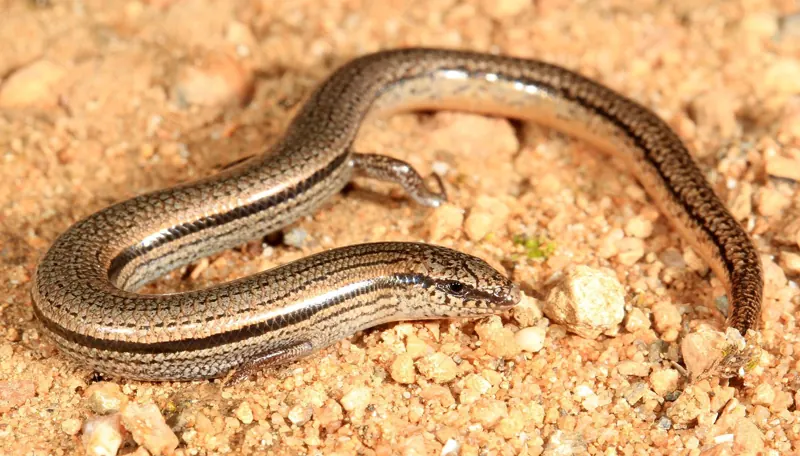
Southern slider
Lerista dorsalisA member of a genus in which legs have been reduced or lost many separate times.
Wild onlyConservation statuses are given as published by the IUCN Red List or relevant national bodies at the time of writing. Size figures are approximate total lengths unless stated. Spotted something out of date? Tell us.